
UAE Real Estate Tokenization: Inside VARA's Rules


More than $5 million in tokenized Dubai real estate is now trading on a regulated secondary market, and Asset-Referenced Virtual Assets, or ARVAs, are the regulatory category making that possible under Dubai's Virtual Assets Regulatory Authority. The Dubai Land Department, working with tokenization infrastructure provider Ctrl Alt and investment platform Prypco, has moved beyond a pilot phase into live resale of property-backed tokens tied to ten Dubai properties, with roughly 7.8 million tokens now eligible for trading. For anyone tracking UAE real estate tokenization, this is the clearest signal yet that the model works at a regulatory level, not just a technical one.
Key Takeaways
• The Dubai Land Department and Ctrl Alt launched Phase Two of their tokenization pilot in February 2026, enabling resale of $5 million in fractional property ownership across 7.8 million tokens tied to ten properties.
• VARA classifies these property tokens as Asset-Referenced Virtual Assets, a Category 1 virtual asset requiring a dedicated issuance license, a published white paper, and a minimum paid-up capital of AED 1.5 million or 2% of reserve assets held.
• The DLD's roadmap targets tokenizing 7% of Dubai's property market by 2033, equivalent to roughly AED 60 billion or $16 billion in real estate value.
• Trades on the secondary market are recorded on the XRP Ledger and synced with Dubai's official land registry, with Ripple Custody supporting settlement.
• As of February 2026, VARA has licensed more than 500 virtual asset service providers in Dubai, managing combined assets exceeding $25 billion, reflecting the regulatory infrastructure now underpinning projects like this one.
Dubai's blockchain and digital asset ecosystem has scaled rapidly under coordinated regulatory and industry initiatives. Source: techbullion.com
In This Article
1. What the Dubai Land Department's Tokenization Pilot Actually Does
2. How VARA's ARVA Framework Regulates Tokenized Property
3. What This Means for the UAE Real Estate Market
4. What This Means for Investors and Builders
5. Frequently Asked Questions
What Is the Dubai Land Department's Tokenization Pilot?
The Dubai Land Department, or DLD, first launched its real estate tokenization initiative in 2025 through the PRYPCO Mint platform, allowing investors to co-own fractional shares of specific Dubai properties starting at AED 2,000. The pilot was developed under the Real Estate Evolution Space Initiative and represented the first time a government real estate registration authority in the Middle East implemented public blockchain-based tokenization of property title deeds.
Phase Two, announced in February 2026, introduced something the first phase lacked: a functioning secondary market. Investors who bought fractional tokens in the initial mint can now resell them within a controlled trading environment, rather than holding until a property sale. Ctrl Alt, the tokenization infrastructure partner, integrated directly with DLD systems so that on-chain trades stay synchronized with the conventional property registration ledger.
This detail matters more than it might first appear. A tokenization project that cannot resolve cleanly against a government land registry is a novelty. One that does, as this project does through DLD's direct system integration, is closer to genuine market infrastructure.
How Does VARA's ARVA Framework Regulate Tokenized Property?
Dubai's Virtual Assets Regulatory Authority introduced the Asset-Referenced Virtual Assets category in 2025 to bring regulatory clarity to tokens that derive their value from real-world assets or income streams, including real estate, commodities, and other financial instruments. Property tokens like those issued through the DLD pilot fall under this classification.
ARVAs sit within VARA's Category 1 virtual assets, which carries the highest tier of regulatory oversight in the emirate's licensing structure. Issuers must secure a Category 1 Virtual Asset Issuance license, publish a comprehensive white paper disclosing the structure and risks of the token, and maintain paid-up capital of at least AED 1.5 million or 2% of reserve assets held, whichever is greater. Ongoing obligations include monthly independent audits and continuous supervisory reporting to VARA.
The framework also addresses a question that has slowed tokenization projects elsewhere: who can trade these tokens, and under what conditions. ARVA rules define reserve backing requirements, redemption mechanics, and governance standards, which is part of why the DLD secondary market can operate as a controlled, regulated environment rather than an open exchange.
According to Forbes' 2025 UAE crypto regulation recap and Ctrl Alt CEO and founder Matt Ong, the company has tokenized over $295 million in assets as of May 2025, spanning real estate, private credit, funds, and litigation finance, giving the DLD partnership a technical foundation built across multiple asset classes rather than one built specifically for this pilot.
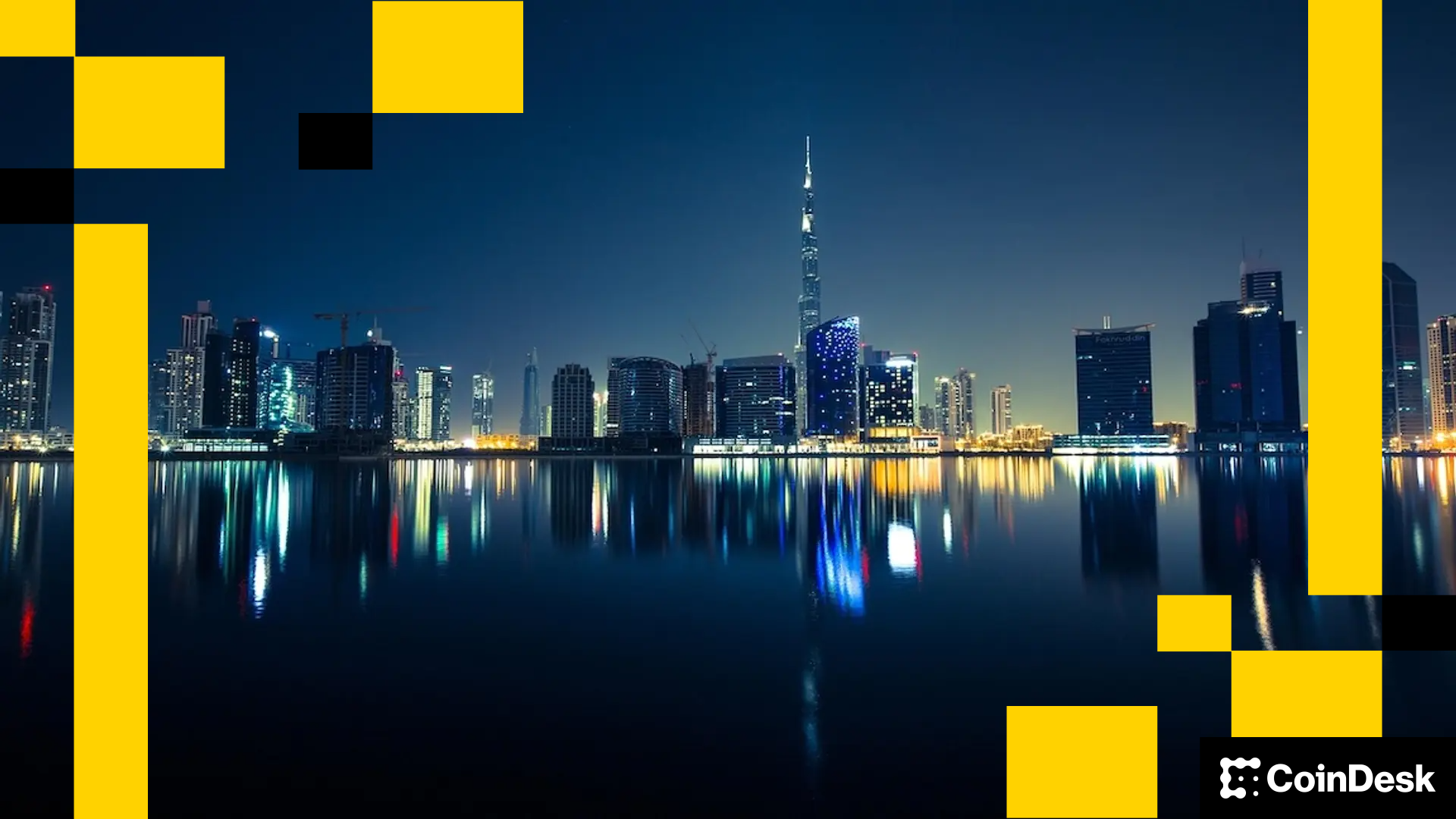
Dubai's skyline reflects the pace of institutional infrastructure now underpinning its digital asset ambitions. Source: coindesk.com
What This Means for the UAE Real Estate Market
Dubai's ambitions here are not modest. The DLD roadmap targets tokenizing 7% of the emirate's total property transactions by 2033, a figure equivalent to roughly $16 billion. For context, Deloitte has projected that $4 trillion of global real estate will be tokenized by 2035, growing at 27% annually, which places Dubai's roadmap well ahead of where most global markets currently stand.
The regulatory scaffolding behind this push extends beyond ARVA rules alone. VARA has licensed more than 500 virtual asset service providers in Dubai as of February 2026, with combined assets under management exceeding $25 billion. That licensing base, paired with a dedicated real-world asset framework, gives Dubai a regulatory depth that few jurisdictions can currently match for tokenized property specifically.
Industry analysis, including a report from EY, has noted that thin secondary trading and uneven regulation remain broader bottlenecks for real estate tokenization globally. Dubai's approach, building the secondary market directly with the land registry operator rather than around it, is a direct attempt to address the liquidity half of that problem before it becomes structural.
What This Means for Builders and Institutions Evaluating Tokenized Real Estate
For institutions and platforms building in this space, the DLD and VARA framework offers something concrete to design against rather than a regulatory grey zone to navigate around. The ARVA classification tells issuers exactly which license tier applies, what capital requirements follow, and what disclosure standards a white paper must meet before a token can be offered to investors in Dubai.
That clarity is precisely the kind of regulatory environment MENA Blockchain Week has consistently highlighted as central to the region's blockchain growth story. During the 2026 edition's dedicated RWA and Tokenization day, regulatory frameworks like VARA's ARVA rules were discussed directly alongside the practical infrastructure challenges of bringing real-world assets on-chain, a theme also explored in our recent coverage of Dubai's rise as a blockchain conference capital, underscoring how closely regulation and adoption are now moving together in Dubai's ecosystem.
This regulatory clarity builds directly on the framework covered in our recent piece on Dubai's VARA crypto derivatives rules, which set similarly structured governance standards for a different asset category entirely.
For platforms considering the UAE as an entry point for tokenized real estate, commodities, or fund products, the ARVA precedent offers a template. It shows a regulator willing to define a full asset category, license issuers formally, and support a live secondary market with direct government registry integration, not just a sandbox.
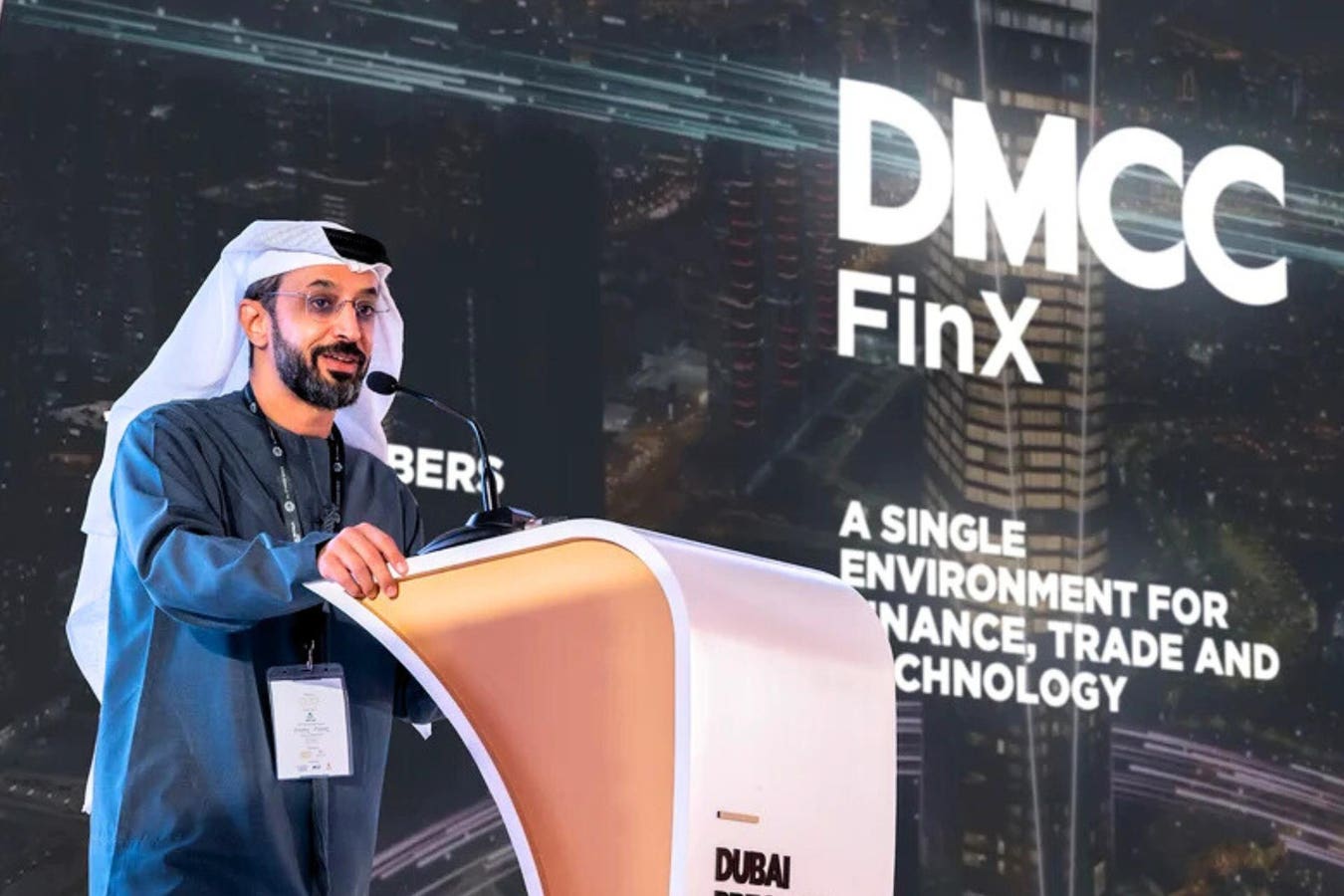
Regulatory clarity around asset-backed tokens has become a defining feature of Dubai's digital asset strategy. Source: forbes.com
How This Compares With Other Real World Asset Categories in the UAE
Real estate is not the only asset class moving through VARA's regulatory pipeline. Payment tokens, a separate category covering stablecoin-style instruments used for transactions, face a hard compliance deadline in September 2026, with platforms operating without a license facing penalties of up to AED 1 billion. That contrast is instructive. Payment tokens are being regulated primarily around transactional risk and monetary stability, while ARVA-classified property tokens are regulated around asset backing, disclosure, and investor protection.
VARA has also continued tightening supervision across the wider virtual asset sector this year. In June 2026, the regulator issued updated anti-money-laundering guidance requiring licensed firms to refresh their risk profiles at least every three months, and it has pushed Dubai crypto firms to actively track FATF blacklists as part of sharpened risk controls. Read alongside the ARVA framework, the pattern is consistent: Dubai is building category-specific rulebooks rather than applying one generic crypto standard across every type of token, and real estate tokenization has become one of the clearest test cases for how that approach performs in practice. This mirrors the institutional custody standards discussed in our coverage of how UAE digital asset custody enables institutional finance, where VARA, CBUAE, DFSA, and ADGM each play a defined supervisory role.
Frequently Asked Questions
What is an Asset-Referenced Virtual Asset (ARVA) in Dubai?
An ARVA is a Category 1 virtual asset under VARA's rulebook that derives its value from a real-world asset or income source, such as real estate, commodities, or yield-bearing financial instruments. Issuers require a dedicated license, a published white paper, and minimum paid-up capital of AED 1.5 million or 2% of reserve assets.
How much has the Dubai Land Department tokenized so far?
As of February 2026, roughly 7.8 million tokens tied to ten Dubai properties are eligible for secondary market trading, representing over $5 million in fractional property ownership, as part of a broader roadmap to tokenize $16 billion in real estate by 2033.
What blockchain does the DLD tokenization project use?
The project uses the XRP Ledger, with trades synchronized to Dubai's official land registry and settlement supported by Ripple Custody.
How does VARA license tokenized real estate issuers?
Issuers of ARVA-classified tokens must obtain a Category 1 Virtual Asset Issuance license from VARA, publish a white paper disclosing token structure and risks, meet minimum capital requirements, and undergo monthly independent audits alongside ongoing supervisory reporting.
Is UAE real estate tokenization covered at MENA Blockchain Week?
Yes. MENA Blockchain Week 2026 dedicated a full themed day to RWA and Tokenization, bringing together regulators, platforms, and institutional builders to discuss frameworks like VARA's ARVA rules alongside real-world deployment examples such as the DLD pilot.
What is the minimum investment for Dubai's tokenized real estate platform?
Through the PRYPCO Mint platform, eligible investors have been able to participate in the DLD tokenization pilot starting from AED 2,000, though minimums and eligibility can vary by offering and are subject to change.
This content is for informational purposes only and does not constitute financial, legal, or investment advice. Virtual assets can lose value in full or in part and are subject to significant volatility.
Want to Be Part of MENA Blockchain Week?
Get involved!
Whether you're looking to sponsor, speak, exhibit, host a side event, partner with us, or attend, MENA Blockchain Week brings together industry leaders, innovators, investors, regulators, startups, and enterprises shaping the future of blockchain, Web3, AI, digital assets, and emerging technologies across the region.
General Inquiries: contact@menablockchainweek.ae
Partnerships: partnerships@menablockchainweek.ae


Excellent breakdown of how VARA’s framework is bringing greater clarity to UAE real estate tokenization. As blockchain opens new ways to access property investment, reliable market knowledge remains equally important. For those exploring traditional residential and investment opportunities in Dubai, Leading Properties is also a useful resource